Skip to content

DEVELOPMENT WORKFLOW / TPE OEM / ODM

From product direction to a repeatable production route.

PROCESS CLARITYEvery checkpoint is tied to a sample, a decision or a production record.

A PRACTICAL OEM / ODM PATH

Make the next decision visible.

Our process is designed for brands, retailers and distributors that need more than a finished sample. Each stage answers a practical question: can the form be made, can the material feel be repeated, can the tool hold the detail, and can the final product be packed consistently?

BRIEF→SAMPLE→TOOLING→PILOT→PACKAGING

SEVEN CONTROLLED CHECKPOINTS

A clear route for every TPE product category.

Product geometry, TPE material, mold detail and packaging are reviewed as one connected production conversation.

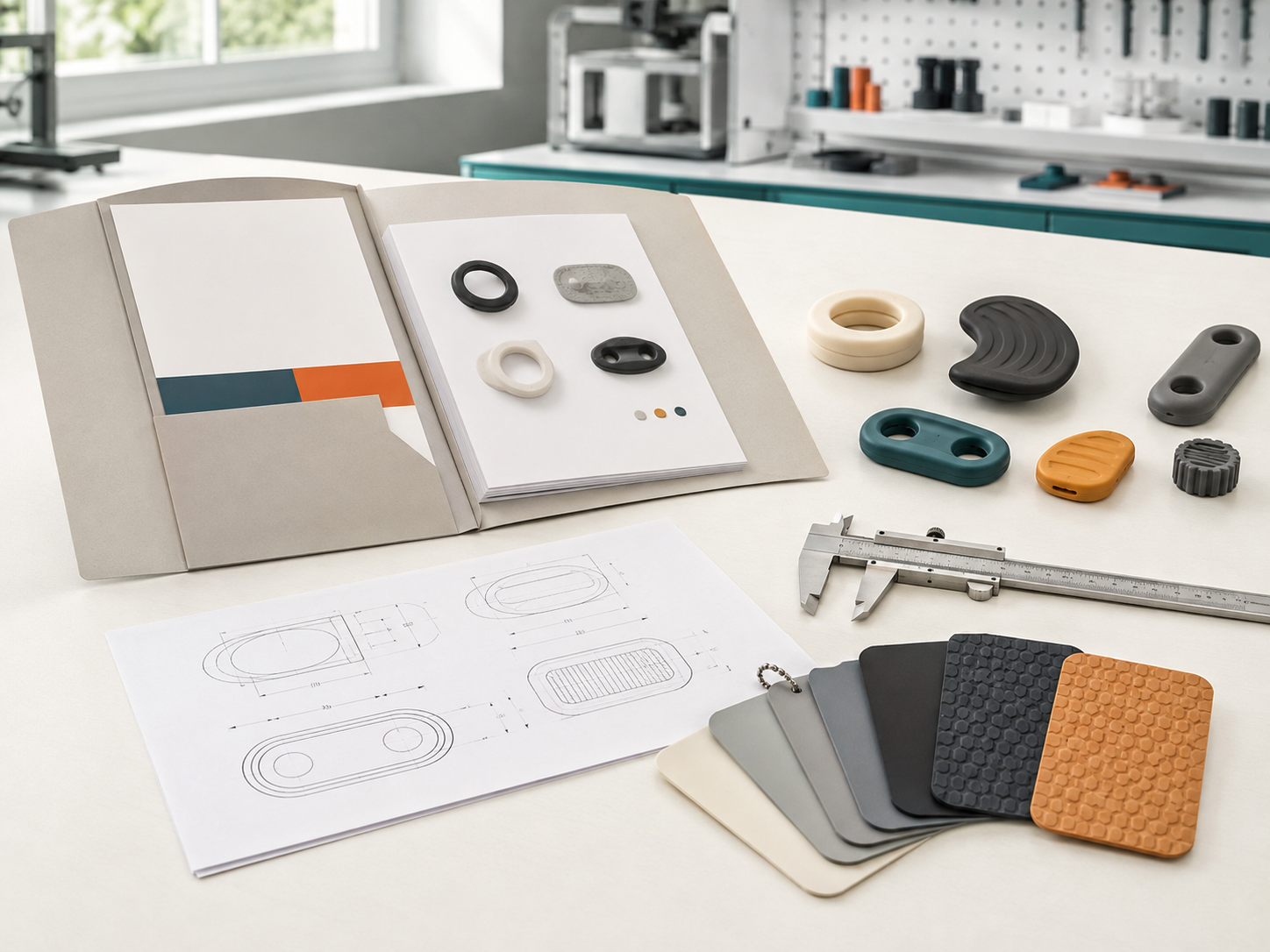
TPE product brief, samples, color swatches and measuring tools on a factory design table01 / PRODUCT BRIEF / FEASIBILITY

PRODUCT BRIEF / FEASIBILITY

Start with the product direction, not just a picture.

We review the product category, target market, reference sample, drawings, dimensions, target volume and packaging direction. The first checkpoint is to identify the practical TPE route before time is spent on tooling.

Checkpoint focus

  • Reference, sketch or 3D file review
  • Profile, opening, base and wall-thickness assumptions
  • TPE grade, firmness, color and texture shortlist
  • Preliminary tooling and production-route notes
HANDOFFFeasibility notes + production direction
TPE prototype beside a digital 3D concept at a product-development workstation02 / 3D CONCEPT / SAMPLE

3D CONCEPT / SAMPLE

Turn the direction into a sample you can evaluate.

The selected direction is refined into manufacturable 3D surfaces. We check transitions, draft, texture depth, openings, assembly clearances and handling before producing a physical prototype for tactile and visual review.

Checkpoint focus

  • 3D geometry and design-for-manufacturing review
  • Prototype or sample preparation for shape and feel
  • Texture, firmness and surface-finish review
  • Revision record for the next sample decision
HANDOFFApproved sample direction
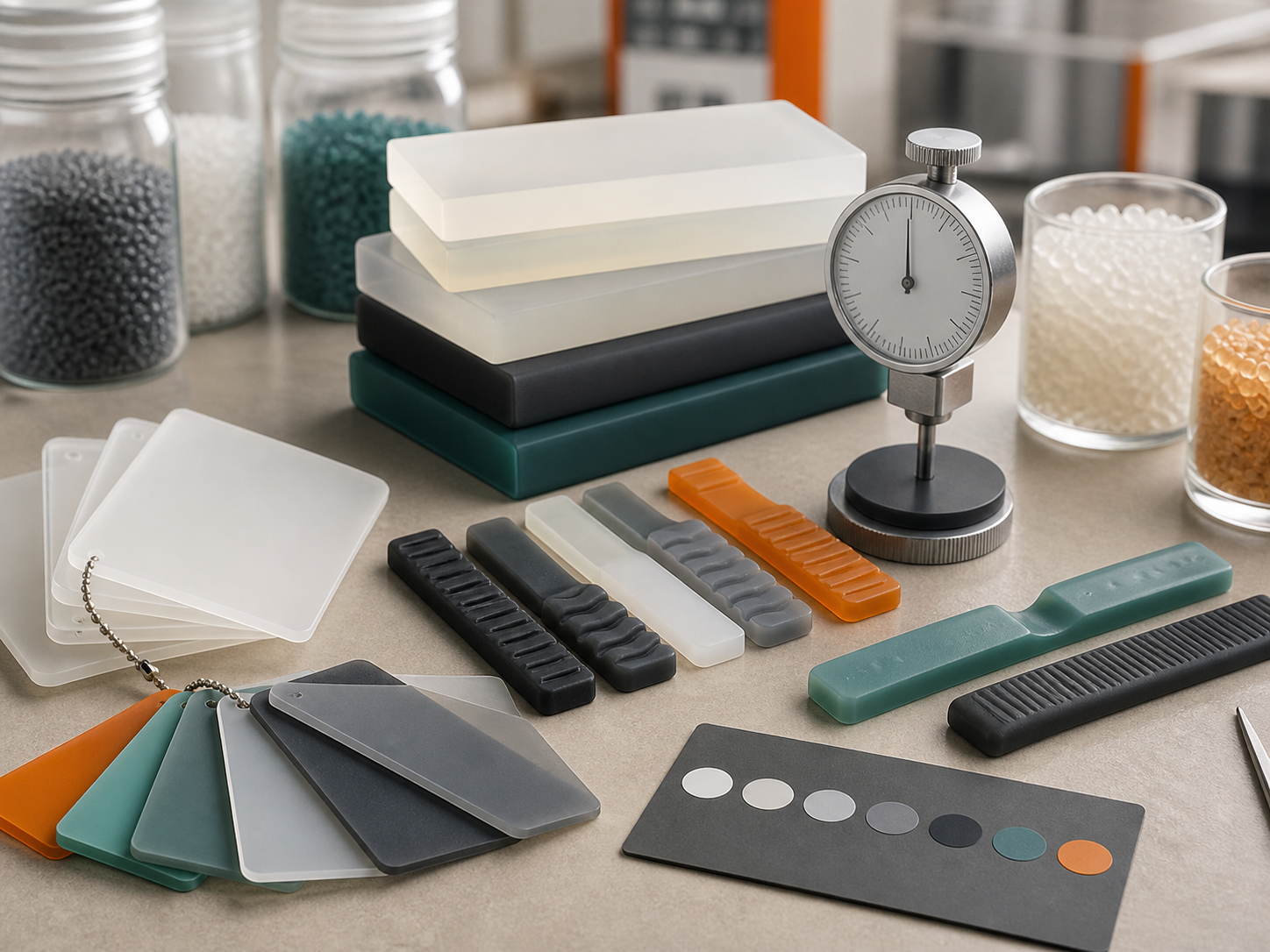
TPE material swatches, textured sample plaques and a firmness gauge in a materials lab03 / MATERIAL / COLOR / TEXTURE

MATERIAL / COLOR / TEXTURE

Lock the material feel before the mold is committed.

TPE is selected around the intended softness, stretch, translucency, color and surface finish. We compare molded swatches and texture plaques so the visual and tactile target is clear before tooling.

Checkpoint focus

  • TPE grade and firmness range
  • Color, translucency and surface-finish matching
  • Smooth, ribbed, beaded or custom texture direction
  • Compatibility review for hardware or assembled parts
HANDOFFMaterial + color reference set
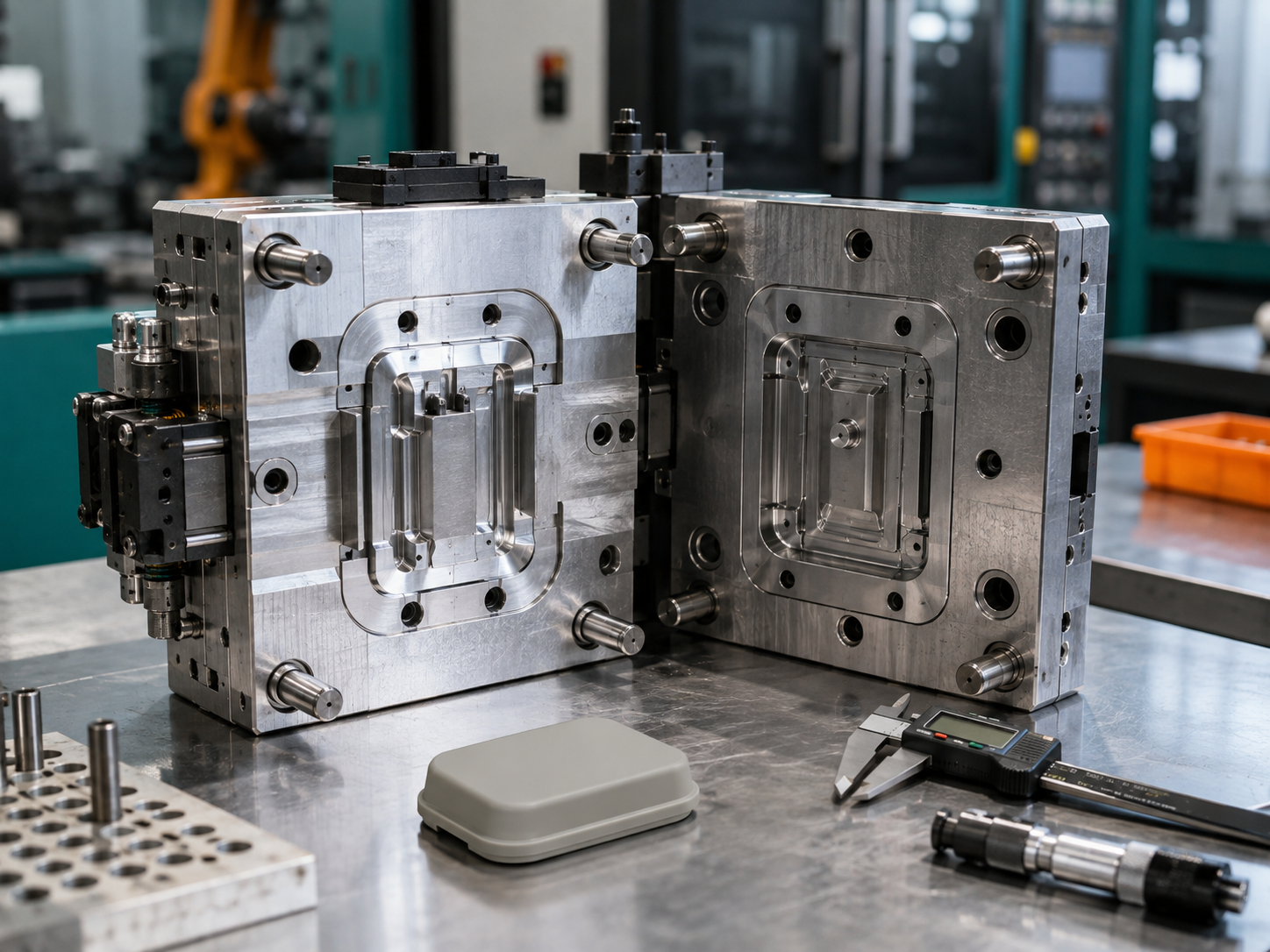
Open precision aluminum injection mold with polished cavities on a factory workbench04 / MOLD / TOOLING

MOLD / TOOLING

Build tooling around a repeatable production route.

Once the sample direction is approved, the mold is planned around parting lines, cavity details, vents, gates, ejection and the selected TPE process. The goal is a tool that supports clean release, stable dimensions and consistent surface detail.

Checkpoint focus

  • Parting line, draft and cavity review
  • Gate, vent, ejection and texture-detail planning
  • Cavity count and repeatability discussion
  • Tooling review before first-piece production
HANDOFFProduction mold ready for first piece
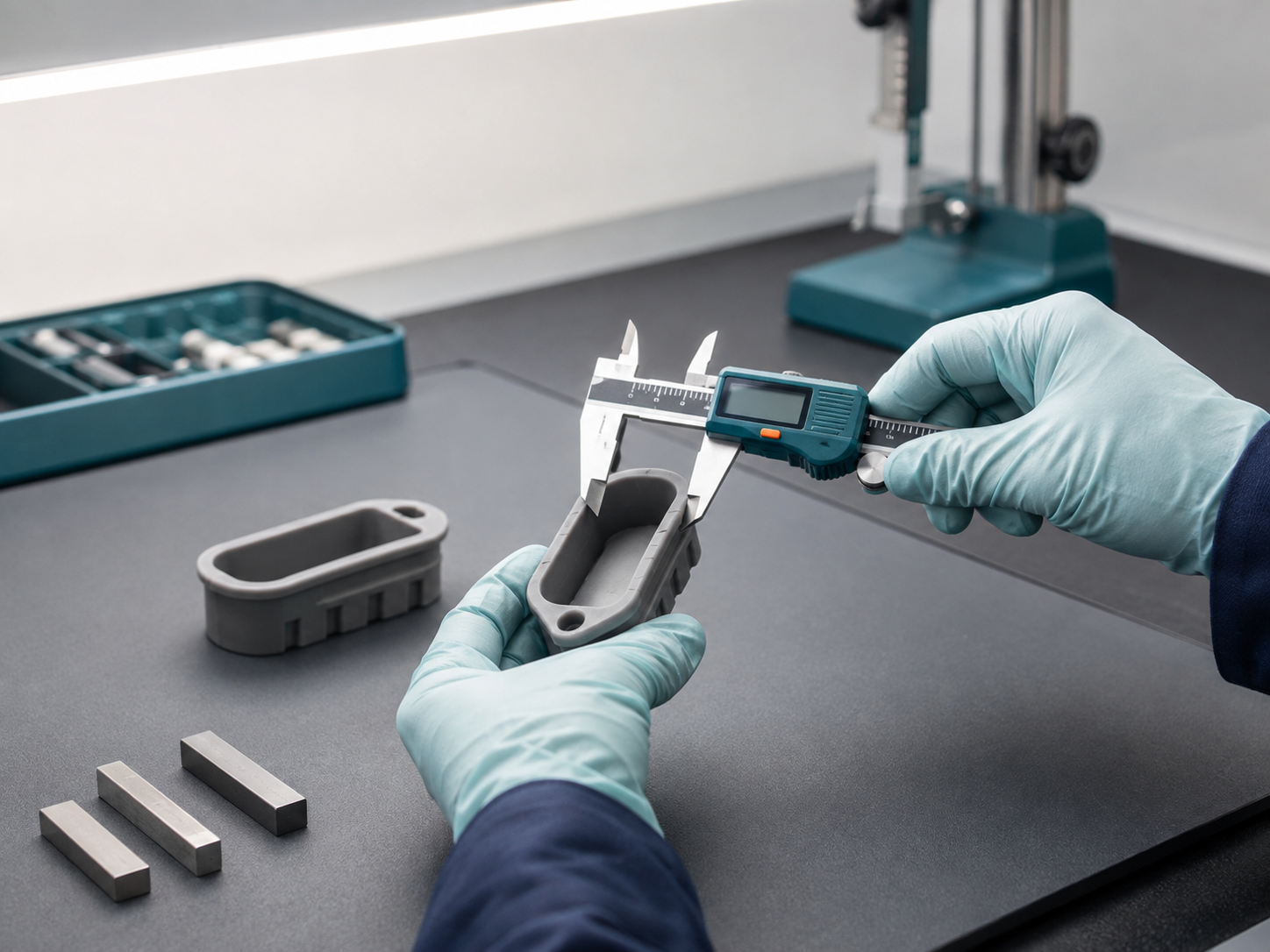
Gloved quality technician measuring a neutral TPE molded sample with a digital caliper05 / FIRST PIECE / QUALITY CONTROL

FIRST PIECE / QUALITY CONTROL

Measure the first piece against the approved brief.

The first molded piece is checked against the agreed sample, drawing and material reference. We review dimensions, flash, seams, texture transfer, color, surface appearance and any fit or assembly interfaces before moving forward.

Checkpoint focus

  • Critical dimensions and profile checkpoints
  • Flash, seam, trimming and surface inspection
  • Color, texture and firmness comparison
  • Correction notes before pilot production
HANDOFFFirst-piece inspection record
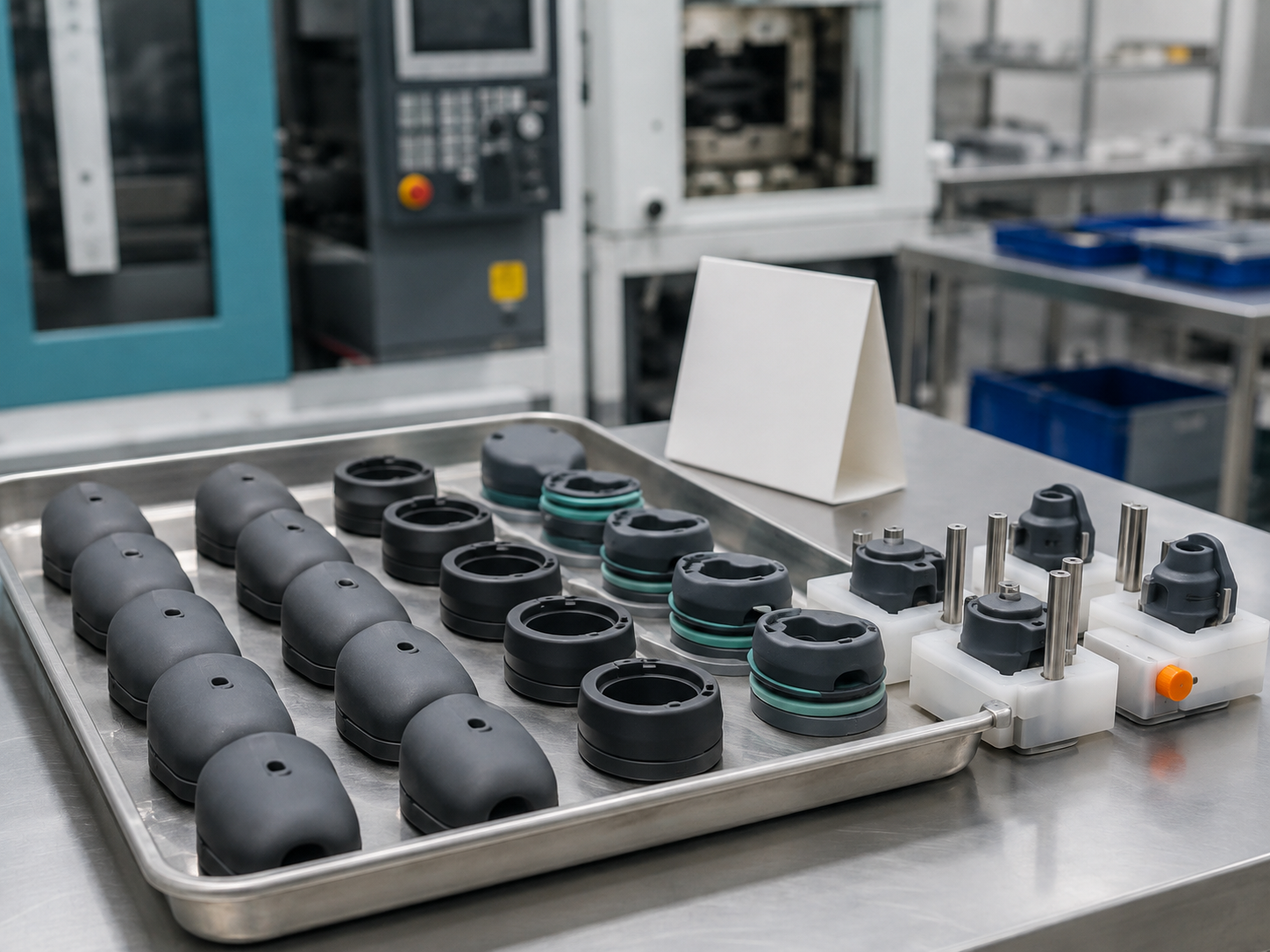
Repeated TPE molded components arranged in a clean small-batch production cell06 / PILOT / ASSEMBLY / CONSISTENCY

PILOT / ASSEMBLY / CONSISTENCY

Prove the process with a controlled small batch.

A pilot run confirms that the mold, cycle, trimming method, assembly sequence and inspection points work together. Repeated parts are compared so the production team can identify variation before a larger batch is released.

Checkpoint focus

  • Molding cycle and handling review
  • Trimming, assembly and component-fit sequence
  • Appearance and dimension checks across repeated parts
  • Packing quantity and batch-identification preparation
HANDOFFPilot approval + repeat-production checkpoints
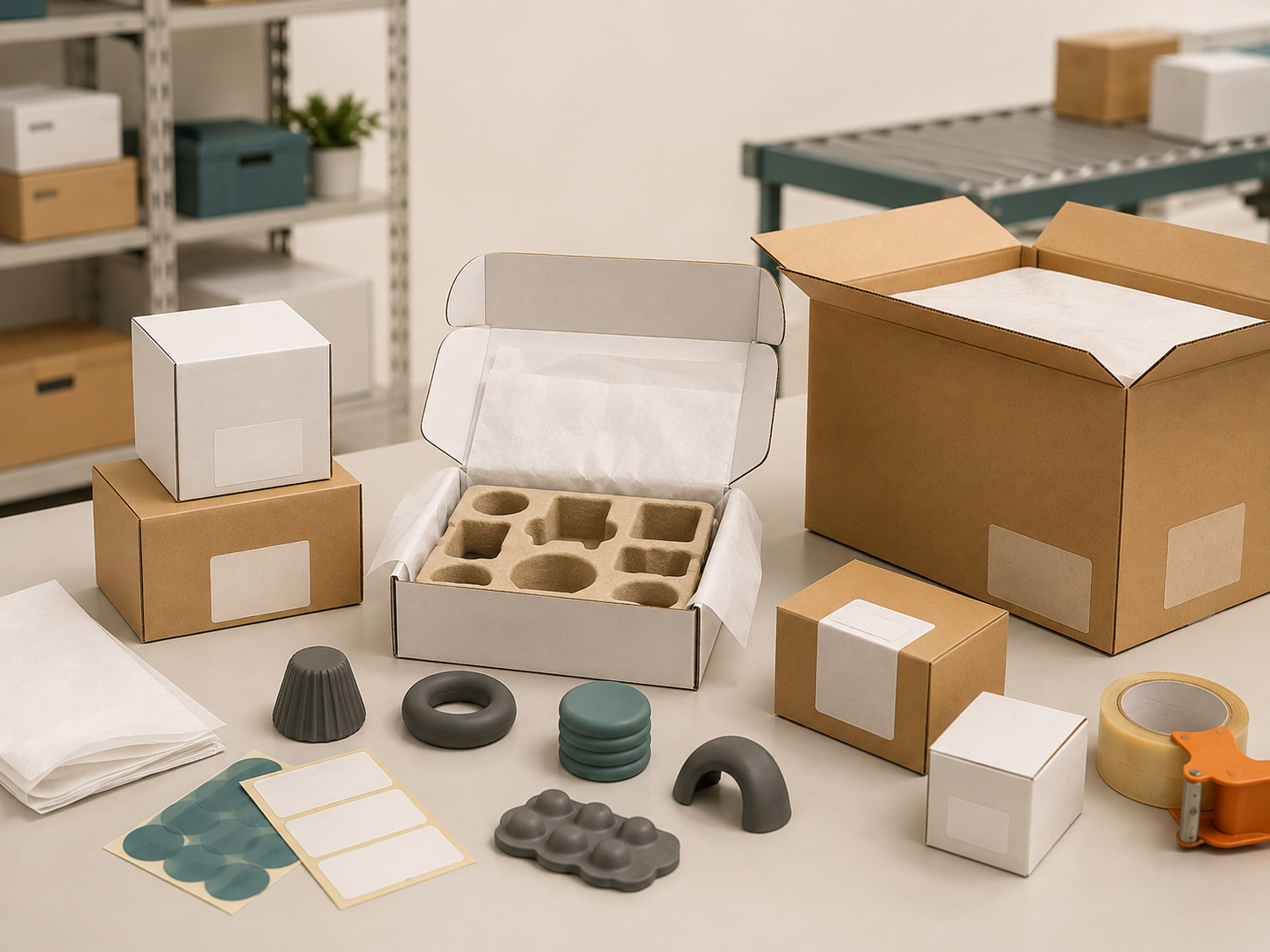
Unbranded cartons, molded protective inserts and TPE samples prepared for shipment07 / PACKAGING / SHIPMENT PREPARATION

PACKAGING / SHIPMENT PREPARATION

Finish the product line with a clear handoff.

The final step aligns the approved product with private-label packaging, inserts, labels, carton fit and shipment preparation. We keep the packaging direction practical so the finished product arrives ready for your market and channel.

Checkpoint focus

  • Private-label box, insert and label coordination
  • Product protection and carton-fit review
  • Packing instructions and appearance check
  • Shipment preparation and production documentation
HANDOFFPacked product + next-batch handoff

WHAT STAYS CONTROLLED

One brief, carried through every handoff.

01FormProfiles, openings, bases, wall thickness and transitions.
02FeelTPE grade, firmness, stretch, texture, color and finish.
03RepeatabilityTool detail, first-piece checks, trimming and pilot consistency.
04HandoffPackaging, documentation and the next production decision.

NEXT STEP

Have a product direction?

Send a reference, drawing or specification and we can map the practical route.